The global food and beverage industry is experiencing a significant transformation driven by increasing consumer demand for natural products and clean-label ingredients (such as Organic) from food-safety respecting producers (such as those holding FSSC 22000 certification).
For food manufacturers, this means sourcing wholesale spices and botanical ingredients with verified quality and traceability. This shift represents a fundamental change in how manufacturers approach product development, sourcing, and market positioning.
Natural Products: Market Evolution and Growth Drivers
The natural products segment has emerged as a crucial growth driver in the food and beverage sector, with compound annual growth rates consistently outpacing conventional alternatives.
Consumer awareness of health implications and environmental impact has catalyzed this transformation, pushing manufacturers to reformulate existing products and develop new offerings that align with clean-label preferences.
Vanilla – A Case Study in Natural Ingredient Sourcing
The vanilla market exemplifies both the opportunities and challenges in natural ingredient sourcing. As one of the world’s most popular flavoring agents, wholesale vanilla demonstrates how traditional agricultural practices intersect with modern food and beverage manufacturing demands. Madagascar, which produces approximately 80% of global vanilla supply as a key sourcing origin, showcases the intricate relationship between local farming communities and international market dynamics.
📦 Our Natural Ingredients Availability – Explore our product range
Sustainable Sourcing Initiatives in Food and Beverage Manufacturing
In nowadays evolving industry, with a demand that’s more and more conscious and keen to minimizing its environmental impact, food and beverage manufacturers are implementing comprehensive sustainability programs focused on:
Agricultural Sustainability
The industry is investing in regenerative farming practices that protect soil health while ensuring consistent supply of natural products. These initiatives often include farmer training programs and implementation of climate-resilient agricultural methods.
At De Monchy Natural Products, we have been initiating such programs for over a decade. Notable examples include the Sustainable Vanilla Initiative, of which we are a founding member, and the Macky Association – launched in 2020 with our local partner in Madagascar – which supports more than 2,000 farmers through training, certifications, and financial assistance during intercrop periods.
More recently, we have also expanded our impact through social projects at the sourcing origins, such as building a school in Madagascar and organizing a vaccination campaign at our Indonesian sourcing operations.
Supply Chain Transparency
Companies are developing sophisticated traceability systems that track natural ingredients from farm to finished product. At De Monchy Natural Products, we believe that this transparency helps verify authenticity and supports fair trade practices, particularly crucial for premium ingredients like vanilla.
Market Innovation and Product Development
The integration of natural products into food and beverage manufacturing has sparked innovation across multiple categories:
Clean Label Formulation
Manufacturers are reimagining traditional products with natural alternatives, particularly in categories like beverages, confectionery, and dairy products.
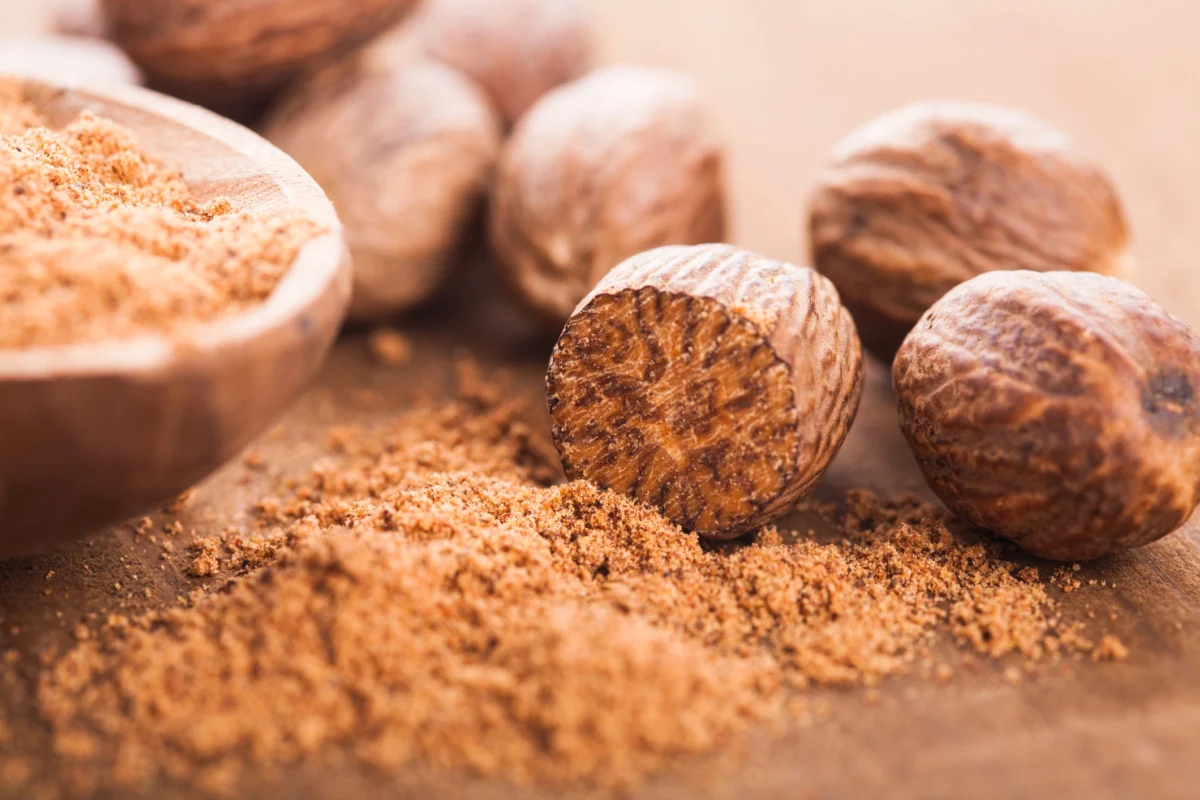
Ingredients such as cassia and cinnamon or vanilla are increasingly valued in clean-label formulations for their natural aromatic and preservative properties. Similarly, Indonesian nutmeg is widely used in processed meat, sauces, and bakery formulations where a warm, natural spice profile is essential.
This includes replacing artificial flavors with natural extracts and eliminating synthetic preservatives in favor of natural ingredients alternatives.
Economic Impact and Market Projections
The natural products segment within the food and beverage industry continues to show robust growth potential. Market analysts project sustained expansion, driven by:
- Increasing consumer preference for clean-label products
- Growing middle-class consumption in emerging markets
- Enhanced focus on sustainability and ethical sourcing
- Technological advances in natural ingredient processing
Future Outlook
As the food and beverage industry accelerates its transition toward natural products, manufacturers must navigate the complex intersection of evolving consumer expectations and supply chain constraints. Long-term success in this dynamic landscape hinges on several critical priorities:
- Investment in sustainable sourcing programs that ensure ingredient integrity and minimize environmental impact
- Development of resilient, transparent supplier relationships to safeguard quality and continuity
- Innovation in natural preservation methods, such as fermentation, high-pressure processing, and plant-based antioxidants
- A deep commitment to traceability and transparency across the entire value chain
The integration of natural ingredients into food and beverage manufacturing reflects more than a passing trend — it marks a fundamental rethinking of how products are conceived, sourced, and brought to market. Brands that lead this transformation with authenticity, agility, and a strong sustainability ethos will gain a competitive edge and earn lasting consumer trust.
In particular, European manufacturers must prepare for upcoming regulatory changes, including mandatory sustainability reporting requirements under the EU’s Corporate Sustainability Reporting Directive (CSRD). These new rules will push companies to provide greater accountability on environmental and social impacts, further accelerating the adoption of natural and responsibly sourced ingredients throughout the supply chain.
Looking to source natural ingredients for your next product line? Request a quotation to discuss availability, certifications, and pricing.